
How to Treat Problem Gambling
The gambling industry is structured to hold people’s attention and keep them involved for long stretches. With flashing lights, constant prompts and the suggestion that another win may be close, walking away can feel difficult. Betting can be an enjoyable pastime when it is approached responsibly, but difficulty stopping after you begin may signal a more serious concern: problem gambling. If this feels familiar, this article outlines steps that may help you address it.
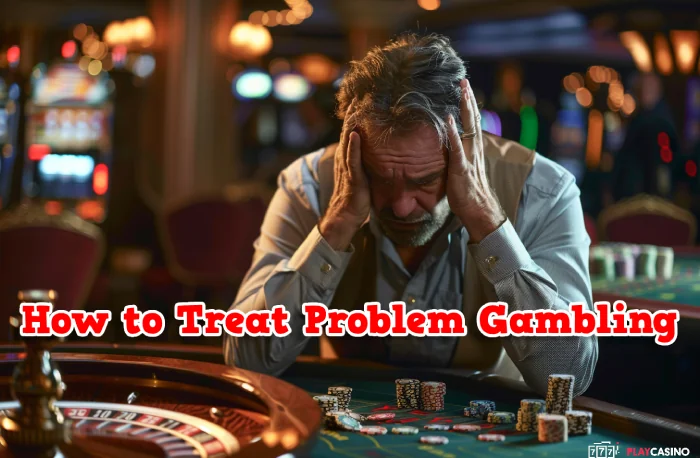
Understanding Problem Gambling
The terms ‘compulsive gambling’ and ‘gambling addiction’ are often used as alternatives to ‘problem gambling.’ Each expression describes the same phenomenon. Gambling may be becoming unsafe if you cannot stop after your budget is gone or repeatedly chase losses in an attempt to recover money.
Gambling stimulates the brain in ways that can resemble the effects of a drug, which may influence people to make poor decisions. It is intended as entertainment, yet it can become harmful when it is used to avoid ordinary stresses or escape everyday life. In those circumstances, a person may be moving towards gambling addiction.
Casual, responsible play is not usually a cause for concern, but you remain responsible for monitoring your habits and asking for help when something feels wrong. Problem gambling is common and does not mean recovery is impossible. With appropriate treatment and care, many individuals can overcome these compulsions in a healthy way.
Recognizing Signs of Gambling Addiction

Recognizing the problem is the first step towards treatment. Although that may sound straightforward, it can be difficult for individuals who spend multiple hours at online casinos. Some people do not recognize the symptoms, while others deny that their own habits have changed. Watch for the following behaviours in yourself and the people around you. If you notice any of them in yourself or someone you care about, consider professional resources, as they may point to irresponsible gambling:
- Being unable to stop playing after your gambling budget has run out.
- Repeatedly using savings to obtain more money for betting.
- Spending excessive time thinking about gambling or finding more money to use.
- Increasing the amounts wagered in search of a stronger thrill.
- Turning to gambling to escape stressful aspects of everyday life.
- Trying to cut back but remaining unable to stop gambling.
- Experiencing withdrawal symptoms, including restlessness or irritation.
- Chasing losses, meaning placing additional bets to try to win back what was lost.
- Abandoning professional commitments or social plans in order to gamble.
- Lying to family or loved ones about gambling, or deliberately concealing the habit from people around you.
- Borrowing money or taking loans to cover gambling losses.
- Experiencing more stress than enjoyment when gambling.
Any of these signs may point to a deeper issue and should not be dismissed. If you want gambling to remain an enjoyable activity rather than a source of stress, identifying the warning signs in their earlier stages is important.
Treating Gambling Addiction

After recognizing that there is a problem, the next task is to identify sustainable ways forward. Professional help is always worth considering, but people can also draw on other available forms of support. The following are some of the main ways gambling addicts may seek help with their condition:
Getting a Diagnosis
Before accessing a particular treatment, you may need an official assessment of whether you have a gambling disorder and its intensity. A mental health professional can conduct a psychiatric evaluation of your gambling habits. Expect questions about your gambling, related feelings and associated behaviour patterns. Once they understand your situation sufficiently, the professional can explain whether a disorder is present.
Seeking Therapy or Counselling
Following a diagnosis, a mental health professional can discuss multiple options, including therapy and counselling. Both approaches involve working with a professional to regain control of gambling habits and address compulsive behaviour. They may support more responsible choices while also helping repair social relationships and financial health, which may have been affected by gambling addiction.
The approach will depend on the therapy you receive. For example, cognitive behavioural therapy works to replace unhealthy beliefs with healthier ones and address gambling behaviour. Behaviour therapy places greater emphasis on unlearning gambling-related patterns and building skills that can reduce betting urges. A professional can help you decide which therapy pathway suits your circumstances.
Considering Medication
Medication is not suitable for everyone, although some people may benefit from it. If other mental health conditions contribute to or occur alongside gambling addiction, treating those conditions may help. Examples include depression, anxiety, ADHD or substance abuse. Discuss this option with a mental health professional, who can advise whether medication is appropriate for you.
Confiding in Friends and Family
Gambling addiction can be isolating, which makes a dependable support system especially important. Trusted people can provide emotional support during difficult moments and encourage you to stay on course when urges return. Choose people you feel safe with so that recovery does not have to be faced alone.
Finding a Support Group
Alongside loved ones, it can help to connect with people who understand the experience directly. Support groups, including organizations such as Gamblers Anonymous, bring together individuals dealing with similar difficulties. These communities can offer peer support and help participants understand compulsive gambling behaviour. Hearing from someone who knows what it is like to be in your position can make support groups particularly valuable.
Investing in Other Hobbies
Gambling addiction can occupy a significant part of everyday life and replace social activities. To reduce the chance of relapse, look for other hobbies that can occupy your time. You might choose a new sport or learn a skill, but the important point is to have a healthy activity available instead of returning to gambling whenever boredom sets in.
Making social plans with friends can also show that socializing does not need to centre on gambling. Consider local events or joining a club, either of which can help you meet more people. The aim is to build other interests that keep you occupied and leave less excessive free time available for gambling.
Preventing Relapse
Relapse can still happen even when you are working with a professional and following your plan. Identify the situations or feelings that trigger gambling so you can develop healthier ways to cope. Online casinos may also provide tools that limit or block access, and using them can help remove opportunities to bet.
Some people may consider switching to free-play versions of gambling games for a taste of the activity, but this may not support recovery. Demo versions are designed to draw people towards the real thing, and their wins can create an unrealistic impression of results. Avoiding them entirely may therefore be safer. These practical barriers can make it harder to find somewhere to place bets when urges arise.
Gambling Resources
Each country has trustworthy gambling resources that people can contact when they need assistance. The following are among the most popular and reputable options:
United Kingdom The National Gambling Helpline by GamCare, which can be contacted at 0808 8020 133. Canada GamblingTherapy, an online service providing emotional support for gambling addiction. New Zealand The Problem Gambling Foundation, which can be reached through text, call, or website. Australia The National Gambling Helpline can be called at 1800 858 858. Ireland GamblingCare, which can be connected through the website or by calling the National Helpline at 1800 936 725. South Africa The South African Responsible Gambling Foundation can be called at 0800 006 008 or texted at 076 675 0710.
Beyond official resources, look for Gamblers Anonymous chapters in your city or other local gambling support groups that may offer help.
Final Thoughts
Gambling addiction and problem gambling are serious concerns, but recovery is possible. With suitable support, even people experiencing serious gambling addiction can learn to change their habits. Consistency, determination and access to appropriate resources all matter. If you recognize signs of gambling addiction in yourself or someone close to you, seek professional help before the problem becomes more severe. Addressing it in its early stages can make it easier to manage.